Greek Extra Virgin Olive Oil: What It Tastes Like and How to Use It
A good extra virgin olive oil can be one of the simplest ingredients in the kitchen and one of the hardest working. Used well, it can dress a salad, finish pasta, lift vegetables, carry a marinade or turn bread and tomatoes into a meal.
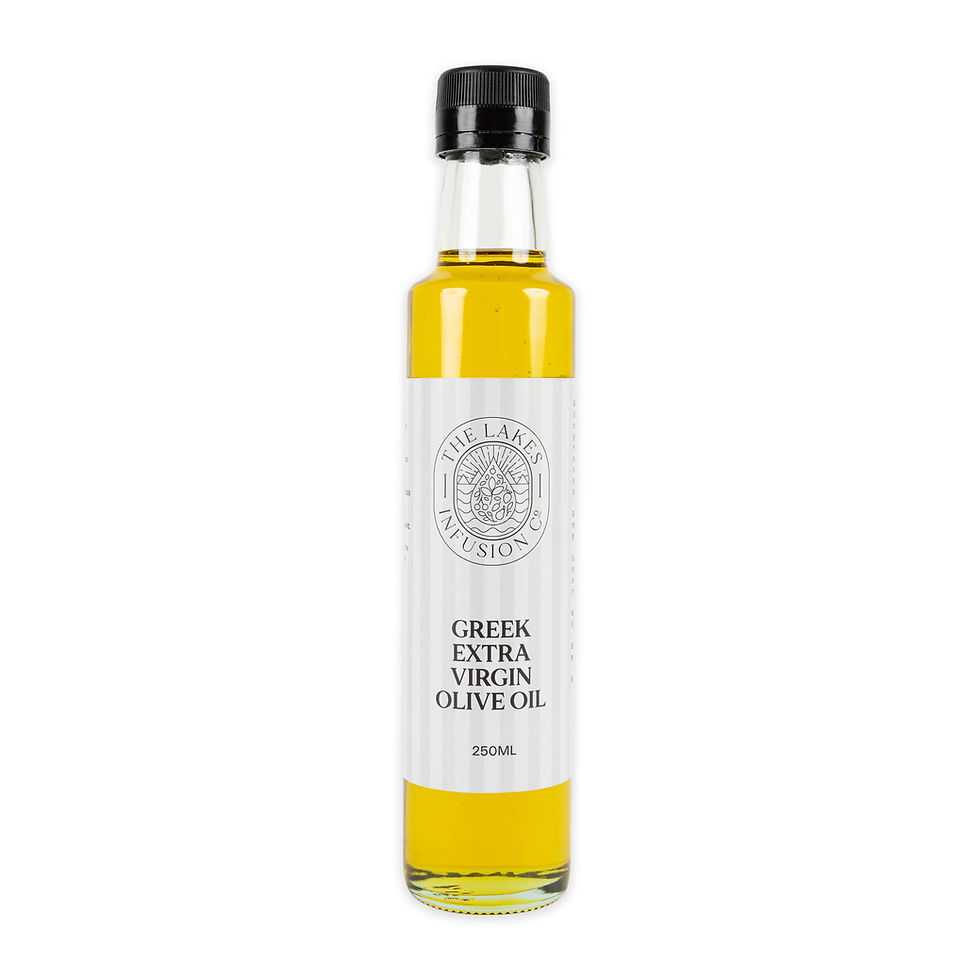
Our Greek Extra Virgin Olive Oil is single-origin, produced by a family-owned grove in southern Greece and selected for its fresh, herbaceous character and gently peppery finish.
What is extra virgin olive oil?
Extra virgin olive oil is olive oil obtained mechanically rather than refined, with its flavour and aroma left intact. That means the character of the olives, the grove and the extraction all matter to what you taste in the bottle.
Our oil is cold-extracted using mechanical methods. The olives come from a family-owned grove in southern Greece that uses certified regenerative farming practices.
What does Greek extra virgin olive oil taste like?
Expect fresh notes of cut grass, crushed herbs and artichoke, followed by a gently peppery finish. Those green, savoury flavours make it particularly useful with food that benefits from freshness rather than sweetness.
The pepperiness is most noticeable when the oil is tasted on its own or used as a finishing oil. Cooking softens some of those sharper aromatic notes.
6 easy ways to use Greek extra virgin olive oil
Bread and dipping: pour a little into a shallow dish with a pinch of salt.
Salads: whisk with lemon juice or vinegar, or drizzle directly over tomatoes and leaves.
Pasta: finish simple pasta dishes with a spoonful just before serving.
Vegetables: use for roasting and add a final drizzle after cooking for more aroma.
Beans and pulses: spoon over chickpeas, lentils or white beans with herbs and lemon.
Cheese and sharing plates: use with tomatoes, feta, burrata, olives or warm flatbread.
Can you cook with extra virgin olive oil?
Yes. Extra virgin olive oil can be used for everyday roasting, sautéing and baking as well as for finishing food. The flavour changes with heat, so if you particularly enjoy the fresh grassy and peppery notes, keep a little back to add at the table.
A simple tomato and olive oil plate
Slice two ripe tomatoes and arrange them on a plate. Add a pinch of salt and leave them for five minutes, then drizzle over one tablespoon of Greek extra virgin olive oil. Finish with basil or oregano and serve with bread. It is a simple way to taste the oil without hiding it behind too many other ingredients.
How to store extra virgin olive oil
Keep olive oil tightly closed in a cool, dark cupboard away from direct sunlight and the heat of the hob. Light, heat and air all work against freshness, so a kitchen windowsill is not the best place for the bottle.
Plain olive oil or infused olive oil?
Plain extra virgin olive oil lets the natural character of the olives take centre stage. Infused olive oil adds another flavour layer, such as herbs, citrus or chilli. Both have a place in the kitchen: one as a flexible staple, the other as a quick way to take a dish in a particular direction.
For more on the flavoured side of the range, read our guide to infused olive oil.
Our Greek Extra Virgin Olive Oil
Our single-origin Greek Extra Virgin Olive Oil comes from a family-owned grove in southern Greece, is cold-extracted using mechanical methods, and is selected and bottled in the Lake District. It has a fresh herbaceous character with notes of cut grass and artichoke and a gently peppery finish.